Where plasma makes the difference
Eighteen sectors where DBD plasma surface treatment has become a performance lever. Find yours, and see what we do there.
Every sector has its own materials, standards and production constraints. Our job is to translate the same plasma technology into the language of your industry. You can also browse by surface need or straight by equipment.
Filter sectors
The 18 sectors we serve
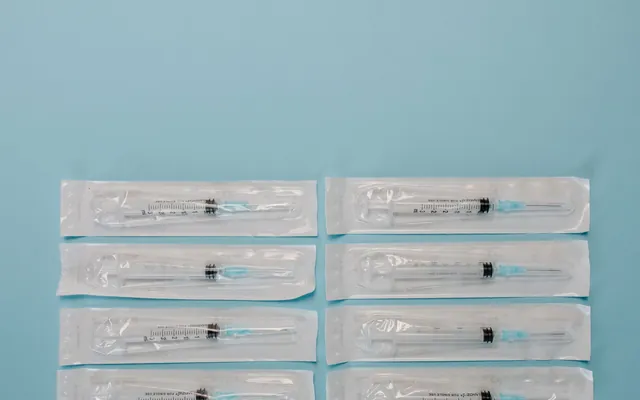
Medical
Adhesion, anti-fog and hydrophilicity for devices and endoscopy optics.
Explore
Optics
Permanent anti-fog, anti-reflective coating adhesion and precision cleaning.
Explore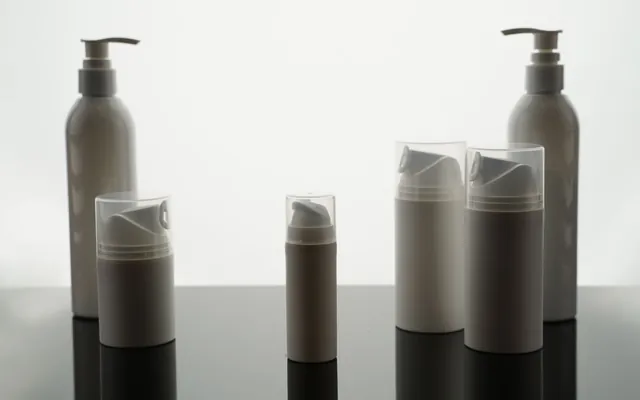
Cosmetics
Adhesion of decoration, marking and labels on tubes and bottles.
Explore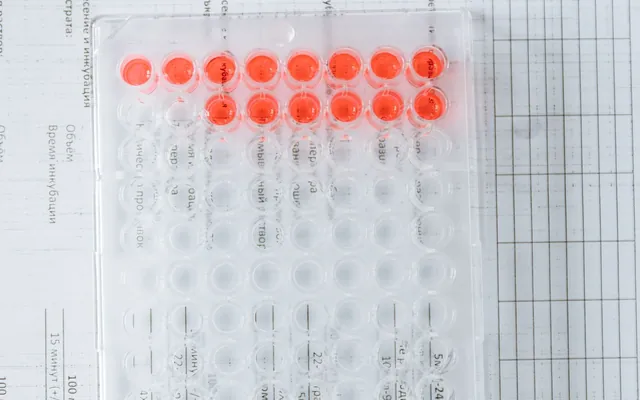
Biotechnology
Cell culture surfaces, microchannel wettability, chip bonding.
Explore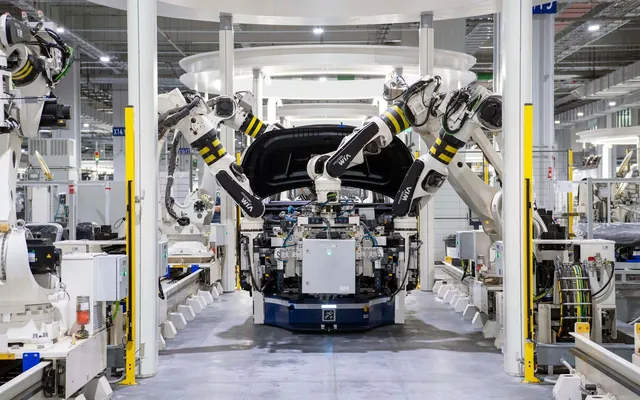
Automotive
Preparing plastics and composites before bonding, painting or sealing.
Explore
Aerospace
Preparing composites and metals before structural bonding and painting.
Explore
Construction
Preparation before bonding, sealing and the application of technical coatings.
Explore
Defence
Preparing composites and metals before qualified structural bonding.
Explore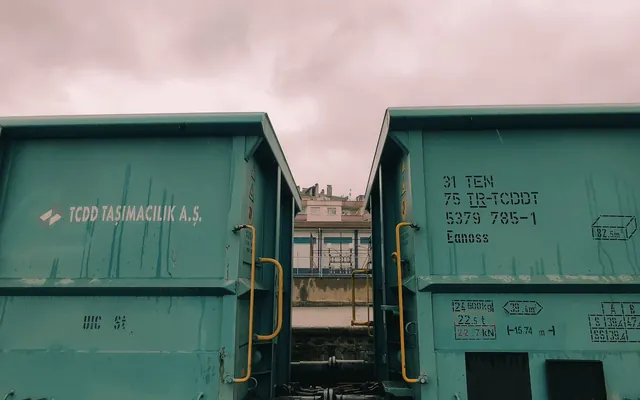
Transport
Bonding, sealing and coatings for rail, marine and mobility.
Explore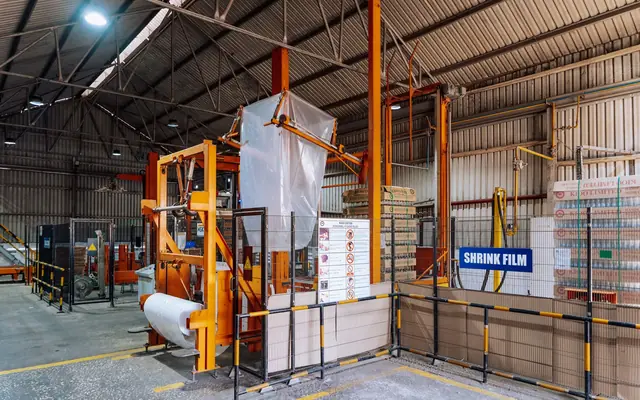
Packaging
Ink adhesion, seal strength and wettability for films and converting.
Explore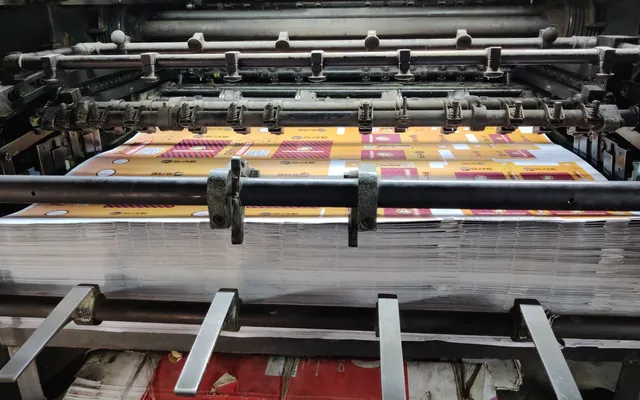
Printing
Raising film surface energy for crisp, durable printing.
Explore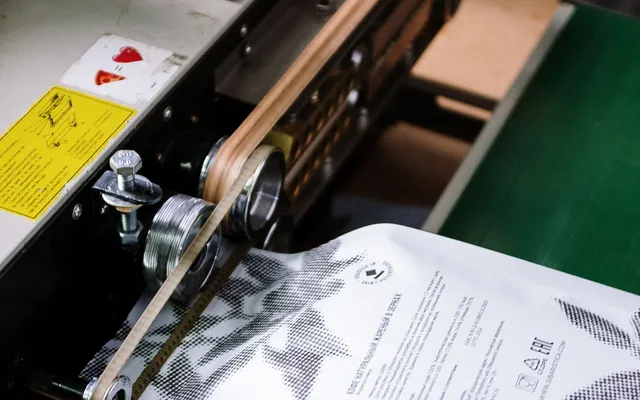
Food processing
Seal strength and ink adhesion for food packaging.
ExploreNot sure plasma applies to your part?
Send us a sample. We treat it, we characterise it, and we tell you honestly whether it is worth it.
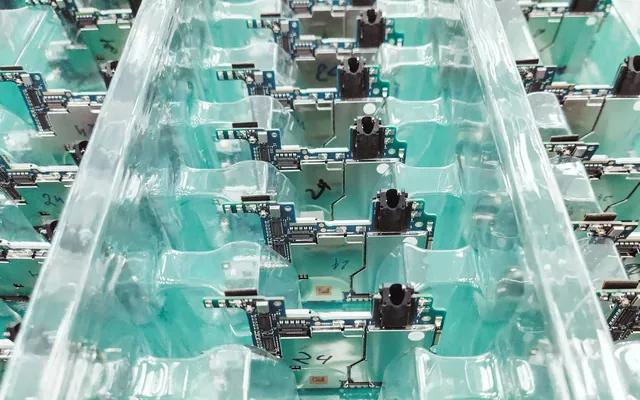
Electronics
Cleaning before wire bonding, wettability for soldering, encapsulation adhesion.
Explore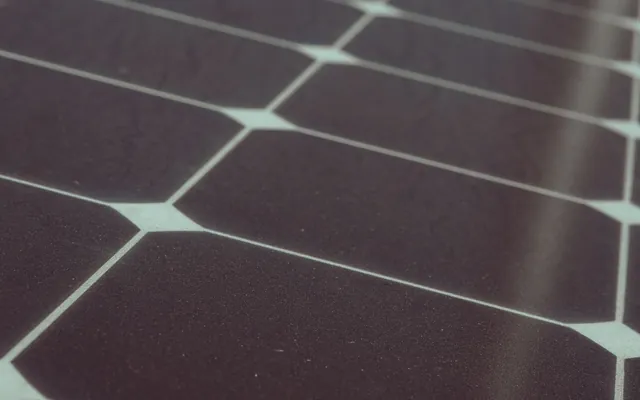
Energy
Electrode wettability, membrane functionalisation, active layer adhesion.
Explore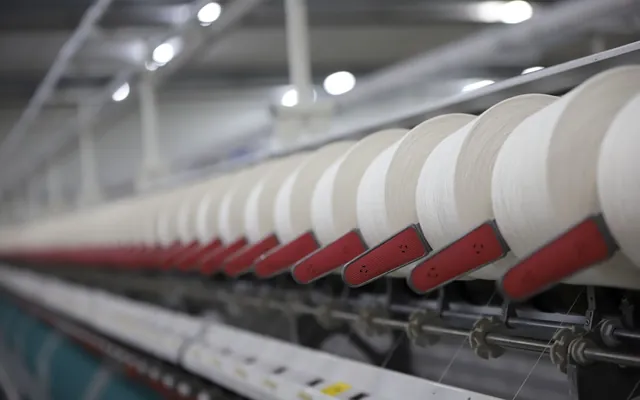
Textiles
Hydrophilic or hydrophobic functionalisation and coating adhesion on fibres.
Explore
Sports and leisure
Anti-fog for masks and goggles, graphics adhesion on equipment.
Explore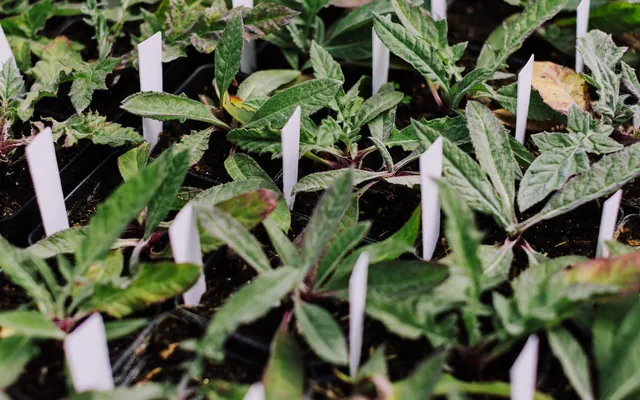
Agriculture
Leaf wettability, seed treatment and agricultural film functionalisation.
Explore
Manufacturing
Adhesion on engineering polymers, paint and ink durability, in-line throughput gains.
ExploreFrom sector to equipment
The reasoning is nearly always the same: your sector dictates a material, the material dictates a treatment, the treatment dictates a machine. Here are the most frequent chains.
| Sector | What we treat most there | Typical equipment |
|---|---|---|
| Packaging, printing, food processing | Wettability of films, ink anchorage, seal strength | Plasma curtain for reel-to-reel lines |
| Medical, optics, sports and leisure | Permanent anti-fog, precision cleaning | Compact torch or precision torch |
| Electronics, energy | Cleaning before wire bonding, thin-film deposition | Deposition station or DBD reactor |
| Automotive, aerospace, defence, transport | Adhesion before structural bonding and painting | Turnkey cell or specialised station |
| Textiles, agriculture, construction | Hydrophilic or hydrophobic functionalisation | Surface-discharge source for wide webs |
| Cosmetics, biotechnology, manufacturing | Adhesion of decoration, wettability of microchannels | Compact torch in line, test inks for control |
What we cover
Our partners







What people ask us before we start
Does the treatment last?
Plasma activation is not permanent: surface energy decays after treatment, faster or slower depending on the material, the temperature and how the parts are stored. That is why plasma is installed in line, right before bonding, printing or sealing. For a lasting effect you need thin-film deposition, which grafts a permanent function rather than temporarily activating the surface.
Do I have to modify my production line?
Rarely in any deep way. A compact torch fits onto an existing conveyor or a robot arm; a plasma curtain sits on a reel-to-reel line. What you do need to plan for: power supply, gas feed if the process calls for it, extraction, and floor space. We validate all of that during the assessment phase, before you order anything.
How long between the sample and the quote?
We answer a first technical enquiry within 48 hours. For a sample treatment, allow a few more working days depending on lab load and the characterisation requested. The report comes back with before/after measurements — contact angle, surface energy — and an equipment recommendation. Send a sample.
Do you handle small runs and prototypes?
Yes. The sample treatment service exists precisely for that: we treat your parts in our facilities in Quebec City, without you having to invest in equipment. It is also the right way to build a qualification file before industrialising.
My sector is not among the 18. Is that a dealbreaker?
No. These 18 pages cover the cases we see most often, not the limits of the technology. Plasma acts on the surface, so what matters is the material and the production step, not the sector label. Use the search field above with your material — PEEK, PET, silicone, aluminium — and you will probably find a neighbouring sector whose case resembles yours.
How do I know plasma is the right answer rather than a chemical primer?
The two compare on three axes: the bond strength obtained, the cost per part, and regulatory constraints. Plasma adds no solvent and no VOCs, needs no drying time, and can be monitored continuously — but it requires in-line equipment. A primer costs less up front and more in use. Our article Improving adhesion works through the trade-off.
Atmospheric or vacuum plasma: which one for my case?
Atmospheric goes in line and treats at production speed, with no chamber; vacuum treats batches with better uniformity on complex geometries. The choice comes down to volume, part shape and the uniformity you need. We wrote a full selection guide on that question.
Going further
Plasma surface treatment
What actually happens on the surface, why it changes adhesion, and what the process does not do.
Use caseImproving adhesion
Why glue lets go, how to diagnose a surface, and where plasma compares with chemical primers.
Technology choiceAtmospheric or vacuum?
The most structuring decision of the project: volume, part geometry and the uniformity you require.
Your sector is not listed? Write to us.
Plasma treats a vast range of materials. If your case falls outside this list, we will assess it all the same. 48 hours for a first answer, no commitment.
Response within 48 hours. No commitment. A technical discussion with an expert.